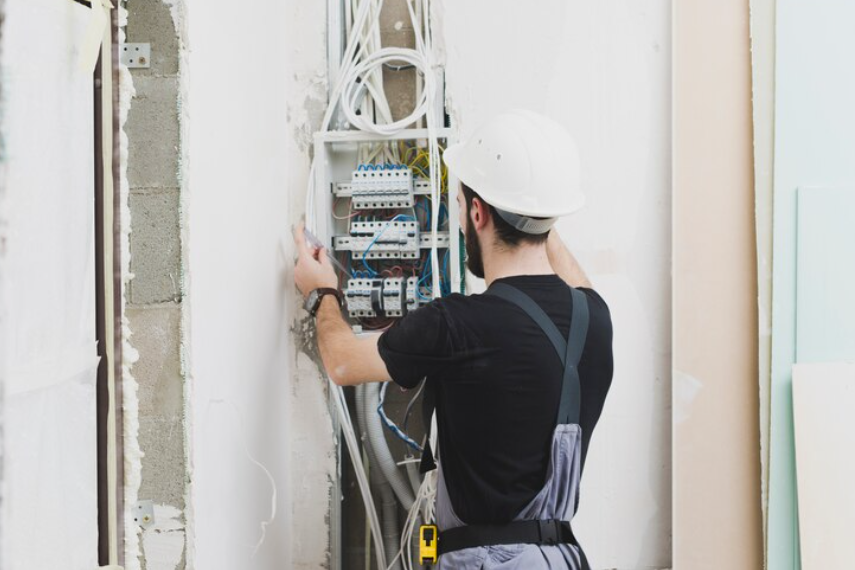
An electrical panel is one of the most important components of a residential electrical system. It serves as the central distribution point for electricity entering a home and directs electrical power to different circuits. From kitchen appliances to lighting fixtures and heating systems, nearly every electrical device depends on the proper operation of this equipment.
Understanding how electrical panels function, what components they contain, and how they contribute to household safety can help homeowners recognize potential electrical problems and make informed maintenance decisions.
What Is an Electrical Panel?
An electrical panel, sometimes called a breaker box or distribution board, receives electricity from the utility service and distributes it to individual circuits throughout a building. Each circuit supplies electricity to a specific area or group of appliances.
Modern residential panels typically use circuit breakers that automatically interrupt electrical flow when excessive current or certain faults occur. This protective function reduces the likelihood of overheating, damaged wiring, and electrical fires.
The panel also provides a centralized location where power to individual circuits can be disconnected when maintenance or repairs are necessary.
Main Components of an Electrical Panel
Main Circuit Breaker
The main breaker acts as the primary disconnect for most residential electrical systems. It allows electricity to be shut off to the circuits supplied by the panel.
Its current rating is associated with the electrical service and system design. However, switching off the main breaker does not necessarily remove power from every component inside the enclosure.
Individual Circuit Breakers
Individual breakers protect specific circuits from overcurrent conditions. When electrical current exceeds safe limits, the appropriate breaker interrupts the circuit.
Breakers must be correctly sized for the conductors and equipment they protect. Installing an oversized breaker can create dangerous conditions because wiring may overheat before protective equipment operates.
Bus Bars
Bus bars are conductive metal components that distribute electrical energy from the incoming supply to installed circuit breakers.
Their connections must remain secure because loose or deteriorated contact points can create excessive heat.
Neutral and Grounding Connections
Neutral conductors provide return paths for current in many electrical circuits, while equipment grounding conductors serve a different protective purpose.
Their installation and bonding requirements depend on whether the equipment is service equipment or a downstream distribution panel.
Why Electrical Panel Maintenance Matters
Electrical panels operate continuously, often for decades. Over time, environmental conditions, component aging, and changing household electricity demands may affect their performance.
Moisture, corrosion, loose connections, and improper circuit modifications can contribute to electrical hazards.
Routine professional inspections can help identify issues before they develop into serious failures.
Homeowners should also keep the area surrounding the panel accessible and avoid storing combustible materials nearby.
Warning Signs of Electrical Problems
Several symptoms may indicate that an electrical distribution system requires professional attention.
Frequently Tripping Breakers
A breaker that repeatedly trips may indicate an overloaded circuit, faulty appliance, damaged wiring, or another electrical fault.
Repeatedly resetting a breaker without investigating the cause can allow dangerous conditions to continue.
Unusual Sounds
Buzzing, crackling, or popping sounds from a breaker enclosure may indicate electrical arcing or defective connections.
Such symptoms deserve prompt attention from a qualified electrician.
Burning Odors
A burning smell near electrical equipment may indicate overheating insulation or damaged components.
If smoke, visible arcing, or intense heat is present, people should stay clear and contact emergency services when necessary.
Visible Corrosion
Rust, moisture stains, or corrosion can affect connections and protective components.
Water intrusion should be investigated because electrical equipment exposed to moisture may require repair or replacement.
When Electrical Capacity Becomes Important
Modern households use more electrical equipment than many older homes were originally designed to support.
Electric vehicle chargers, high-efficiency heating systems, induction cooktops, and additional appliances can increase electrical demand.
When existing equipment cannot safely accommodate planned loads, an electrical panel upgrade may be considered after a qualified electrician completes a load calculation and evaluates the existing electrical service.
The proper solution depends on actual demand, equipment condition, available circuit spaces, and local electrical requirements.
Safe Practices for Homeowners
Homeowners can support electrical safety through responsible habits.
Circuit directories should clearly identify the rooms or equipment served by each breaker. Electrical equipment should remain accessible, and damaged covers or missing openings should be evaluated professionally.
DIY work inside energized panels is particularly dangerous because certain components may remain live even after the main breaker has been switched off.
Inspection, modification, and replacement work should be performed by properly qualified professionals.
Conclusion
An electrical panel plays a central role in maintaining reliable and safe electricity distribution throughout a home. Understanding its components, protective functions, and warning signs helps homeowners identify problems early.
Regular professional inspections, appropriate circuit protection, and careful planning for increasing electricity demands can support the long-term safety and performance of residential electrical systems.