The Hyper Edge 672801537 Market Ladder organizes market activity into progressive tiers, mapping price, liquidity, and participant behavior into level-based signals. It translates live order flow and depth shifts into real-time momentum indicators, emphasizing cross-level imbalances and velocity of change. Implementing it requires tightly coordinated hardware, software, and network resources, with careful data carving and latency budgeting. The framework offers modular edge tactics, but practical adoption raises questions about workflow integration and signal fidelity under pressure.
What the Hyper Edge 672801537 Market Ladder Is (Foundational Overview)
The Hyper Edge 672801537 Market Ladder is a framework that organizes market activity into progressive tiers, mapping price movements, liquidity shifts, and participant behavior across distinct levels. It presents a structured lens for cataloging dynamics, enabling objective assessment of order flow, volatility, and depth. Hyper Edge, Market Ladder, foundational concepts align with disciplined, freedom-oriented analysis of markets.
How the Market Ladder Signals Momentum in Real Time
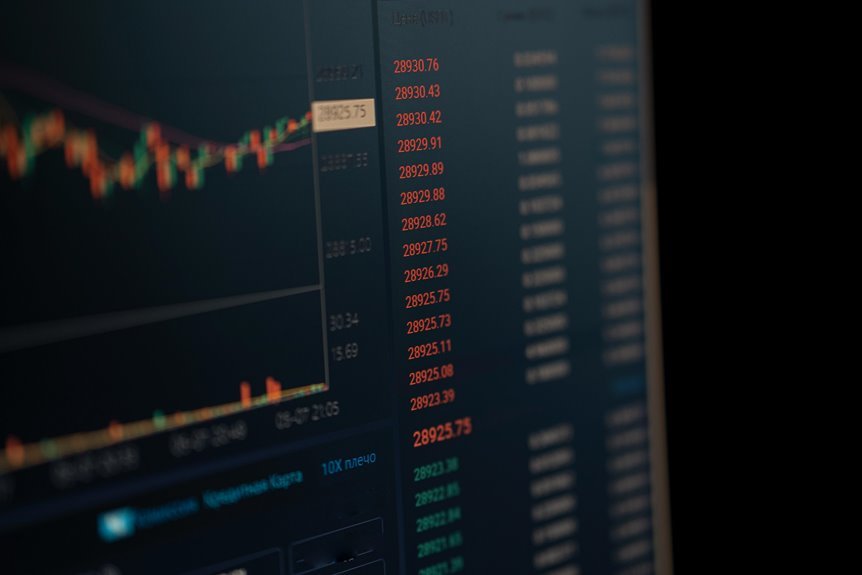
To gauge momentum in real time, the Market Ladder translates live price movement, order flow, and depth changes into a structured sequence of signals across successive levels, enabling observers to quantify directional strength as it unfolds.
Momentum indicators emerge from aggregated level changes, cross-level imbalances, and velocity of shifts, producing coherent real time signals that guide objective assessment and decision-making in dynamic markets.
Practical Setup and Latency Considerations for Traders
Practical setup for real-time Market Ladder analysis requires a disciplined alignment of hardware, software, and network resources to minimize latency and maximize signal fidelity. The analysis emphasizes momentum validation through precise data carving, jitter control, and microsecond timing. Latency budgeting guides infrastructure choices, ensuring predictable throughput and robust error handling while preserving freedom to adapt layouts and processing semantics for rapid decision-making.
Integrating the Market Ladder Into Your Workflow and Edge Tactics
Integrating the Market Ladder into workflow and edge tactics requires a structured approach that aligns data streams, decision rules, and execution channels with calibrated latency budgets.
The Market ladder informs edge tactics by translating momentum signals into actionable thresholds, while latency considerations dictate timing.
Edge tactics leverage modular tooling, ensuring repeatable outcomes, transparent monitoring, and disciplined trade-off assessments across synchronized teams and systems.
Conclusion
The Market Ladder’s tiered framework reveals subtle, data-driven momentum shifts as they unfold across price, liquidity, and participant behavior. Its real-time signals arise not from a single indicator, but from cross-level imbalances and velocity of change, demanding precise data carving and latency discipline. As traders implement the ladder within disciplined workflows, signals become more contingent on infrastructure fidelity than on any one metric. The next move, quietly, hinges on the system’s synchronized edge tactics—awaiting the moment the ladder tips.